

Localisation Efforts in the Development, Human Rights, and Humanitarian Fields: A Case Study of Lebanon
CTDC, Sama for Development, Rass Baalback Club, CRTDA, FeMPawer Programme & I’mpossible | September 2025
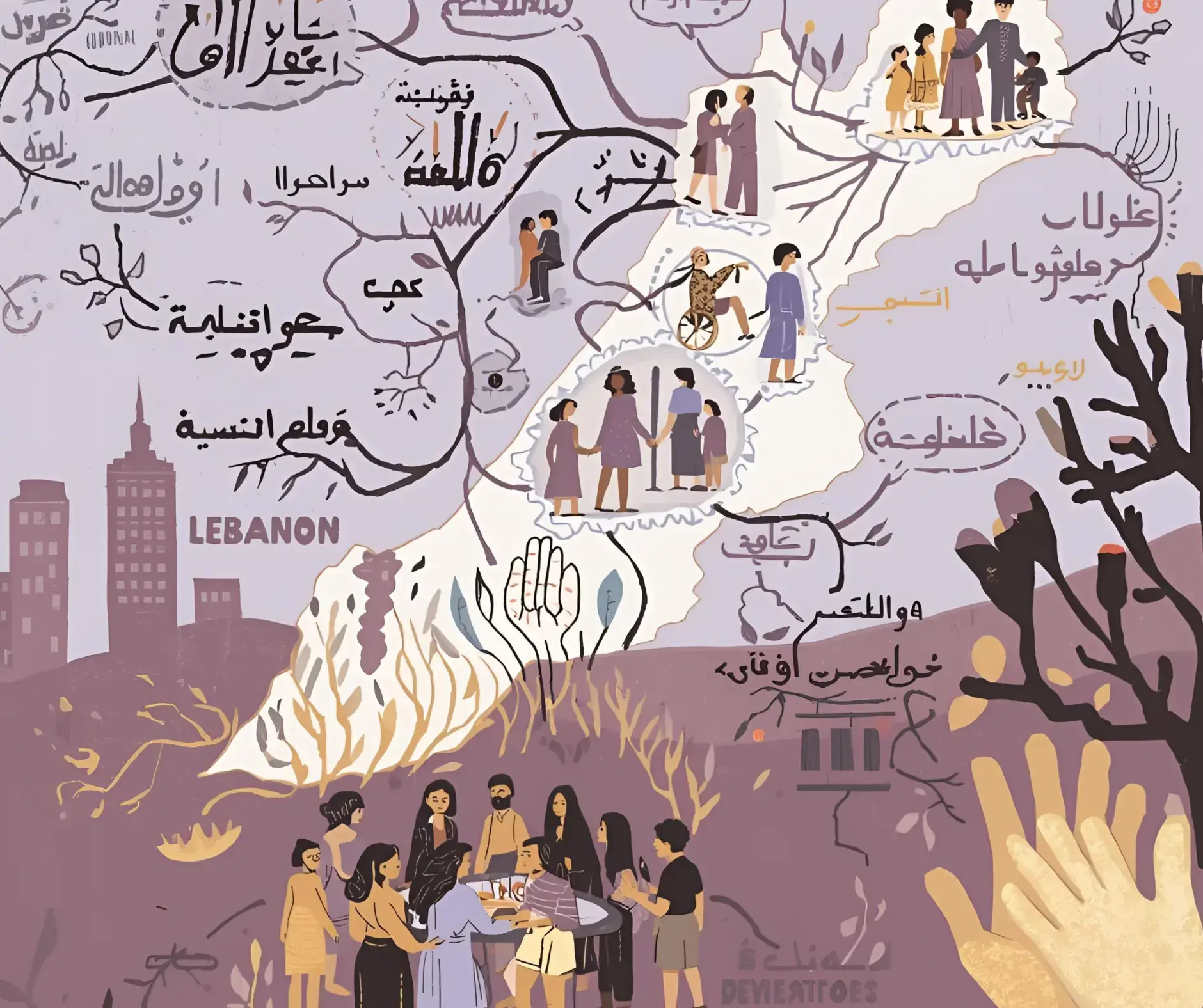
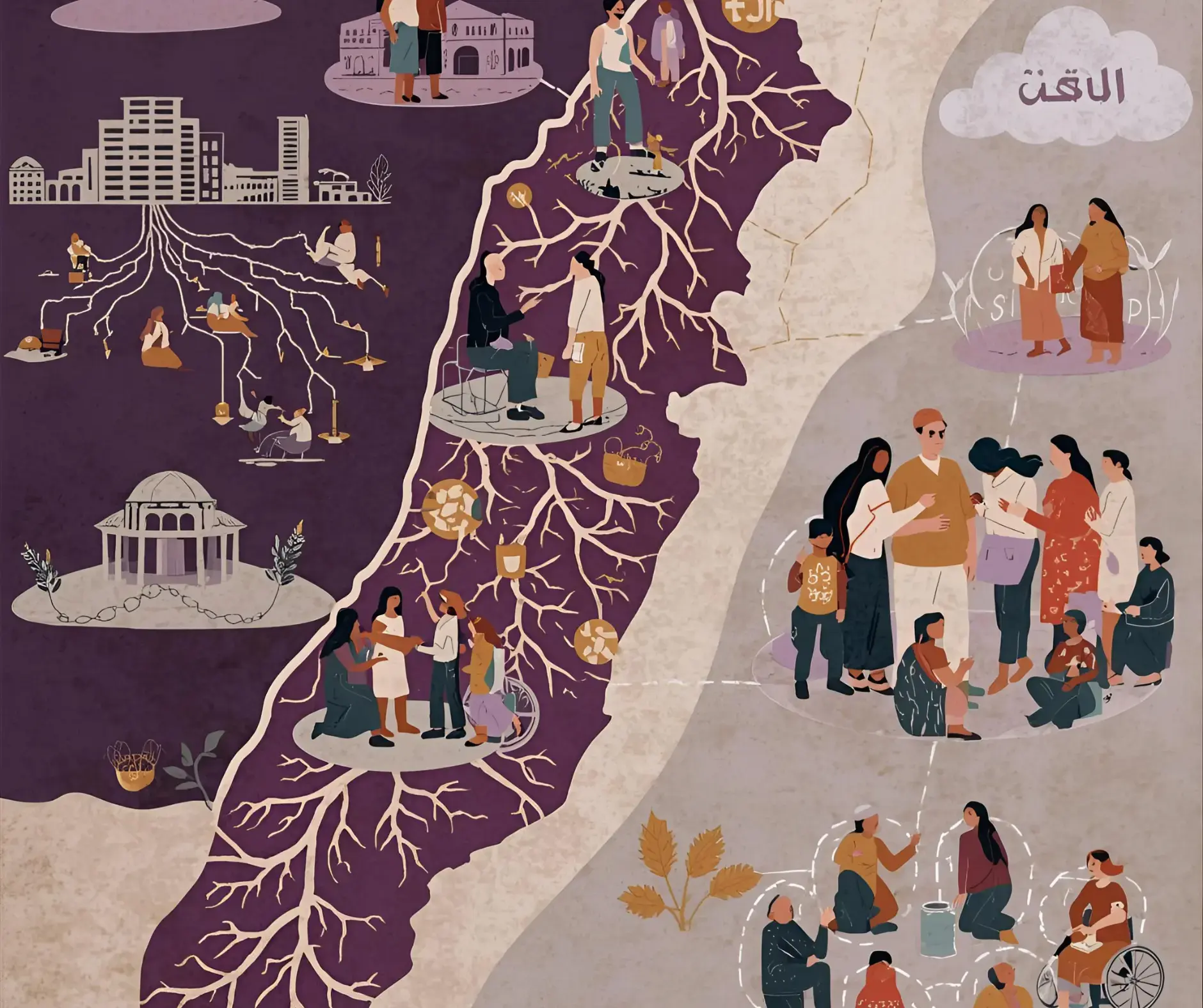
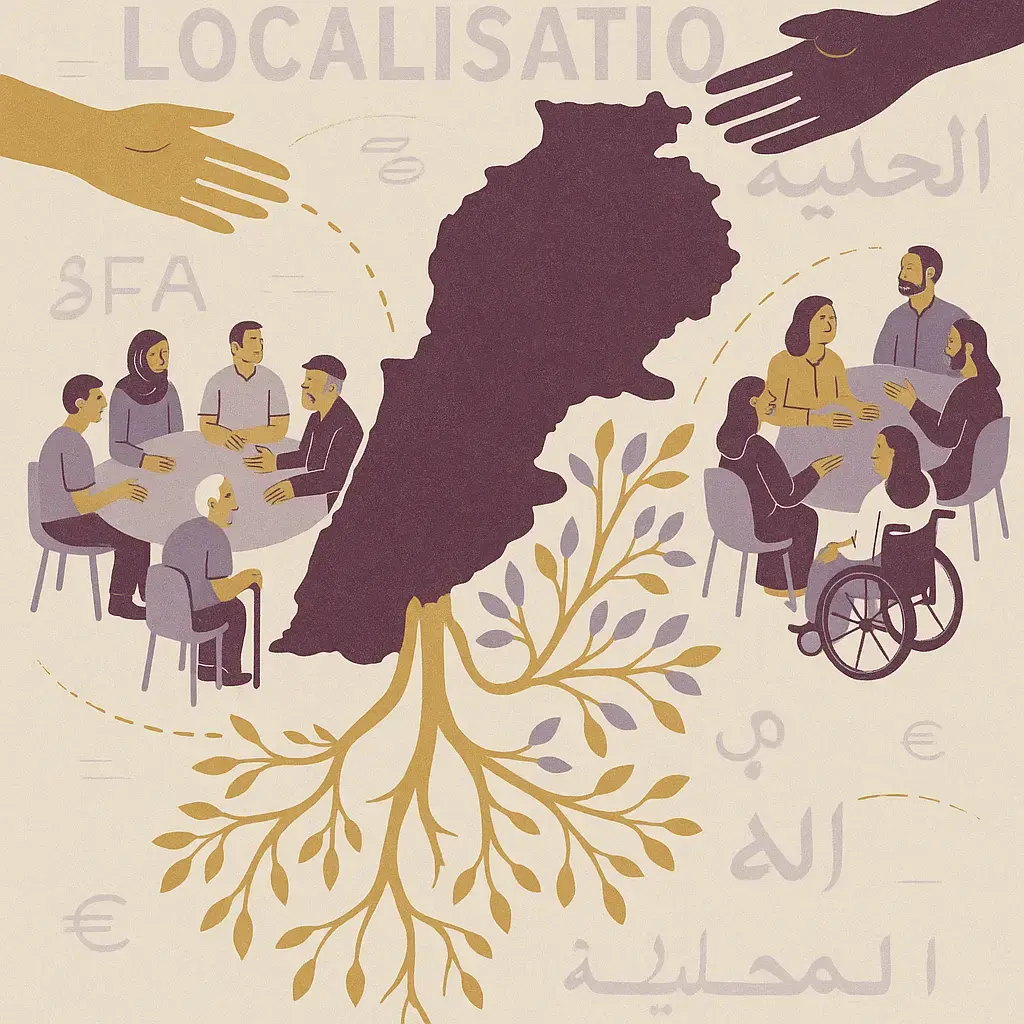
This research, led by CTDC in collaboration with the Lebanese partners of the FemPawer regional programme, examines how localisation is understood and practiced across development, human rights, and humanitarian fields in Lebanon. Drawing on 20 consultations with donors, intermediary organisations, and local NGOs, and using an intersectional decolonial framework, the study interrogates the promises and pitfalls of localisation, exploring whether power, funding, and decision-making are genuinely shifting to local actors.
🔍 Key Findings
Defining Localisation
Local actors reject dominant translations of “localisation” in Arabic, seeing them as depoliticised or misleading. They redefine it as empowerment, shared leadership, adaptability, and valuing local knowledge.
Praxis vs. Rhetoric
While commitments exist globally (e.g., the Grand Bargain), in Lebanon localisation is often tokenistic. Local NGOs are subcontracted rather than empowered, with little access to direct or flexible funding.
Barriers in Practice
- Funding: Intermediaries absorb most funds; strict overhead limits and unrealistic compliance requirements exclude small organisations.
- Language: The dominance of English and French undermines participation and entrenches inequalities.
- Relational Dynamics: Partnerships are unequal, accountability is one-way (upwards to donors), and trust in local actors remains weak.
- Global Politics: Shifting donor agendas, foreign policy priorities, and colonial legacies shape what localisation looks like on the ground.
🌍 Key Obstacles
- Structural funding flows that prioritise intermediaries over grassroots.
- Political pressures that condition funding on silence about injustices, especially regarding Palestine and Lebanon.
- Emotional and relational labour expected of local actors but left invisible and unfunded.
🛠 Key Recommendations
For Local & National NGOs
Assert reciprocal accountability with donors and intermediaries.
- Build transparent mechanisms for equitable partnerships.
- Value local languages and knowledge in all operations.
For Donors & Intermediaries
- Provide direct, core, and flexible multi-year funding with simplified processes.
- Reform accountability to include community-led monitoring of international actors.
- Contextualise programmes, moving away from one-size-fits-all models.
- Address colonial legacies and linguistic hegemony as part of localisation.
👉 To read the full research report, click below 👇
Reach to Us
Have questions or want to collaborate? We'd love to hear from you.