

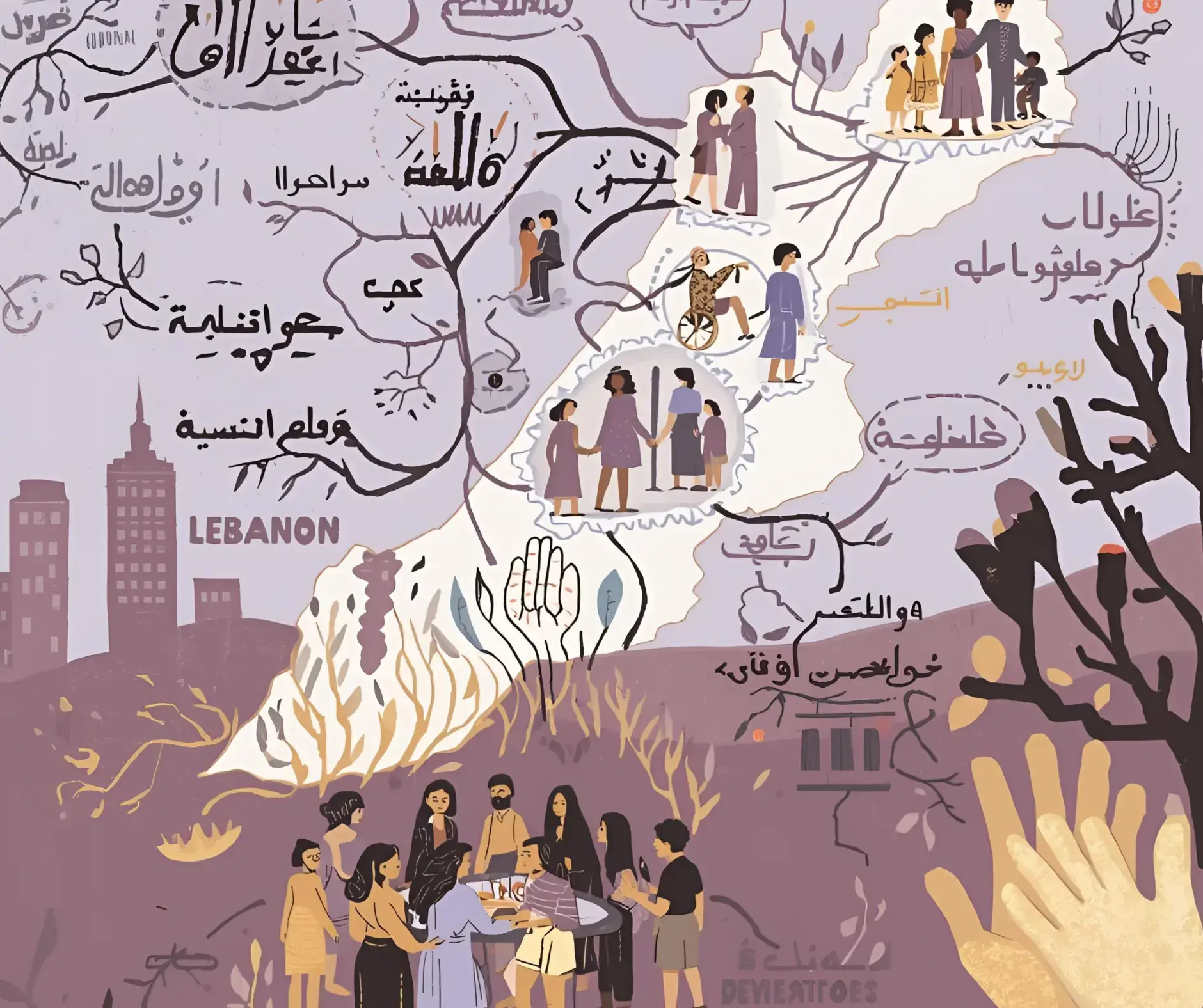
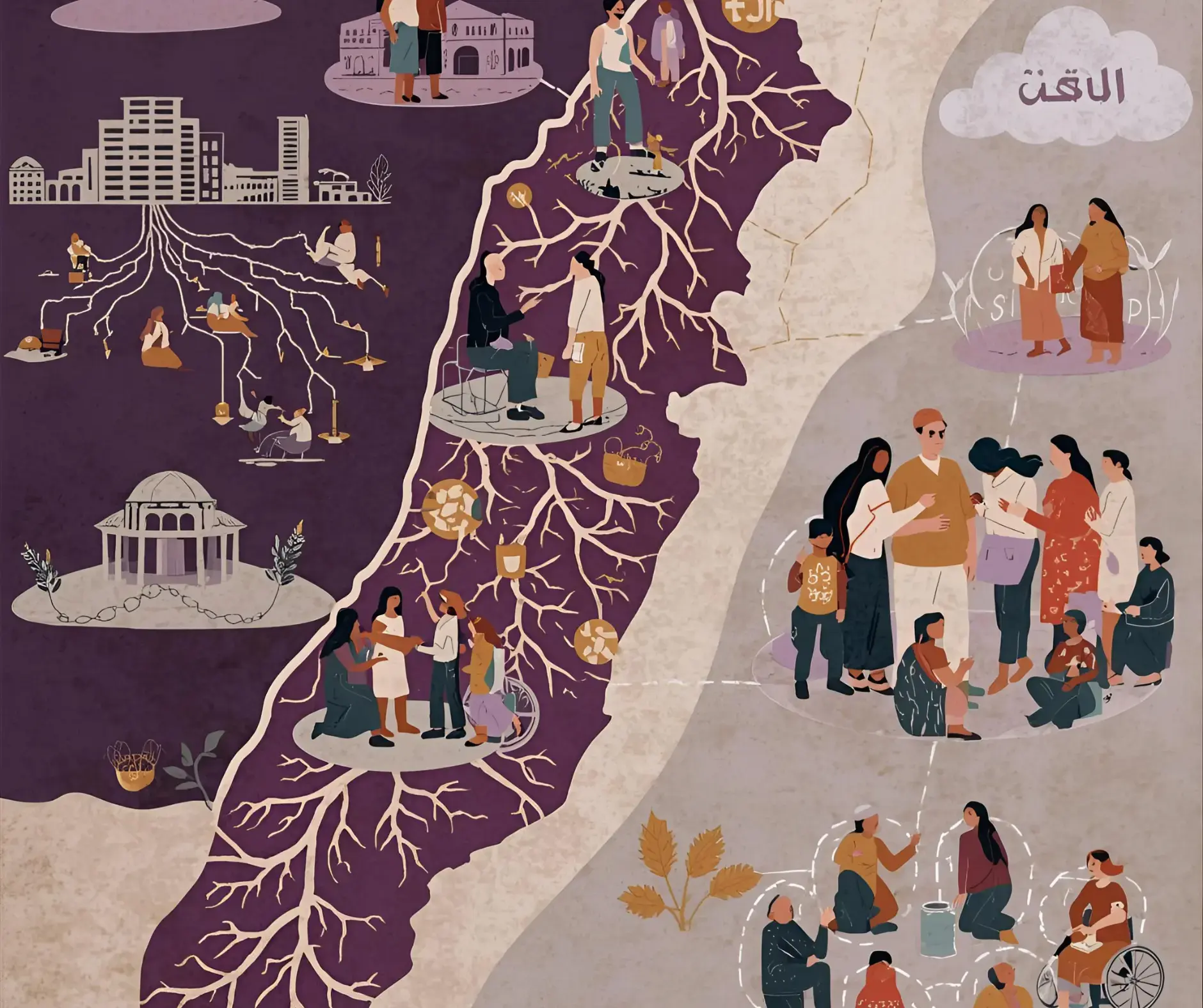
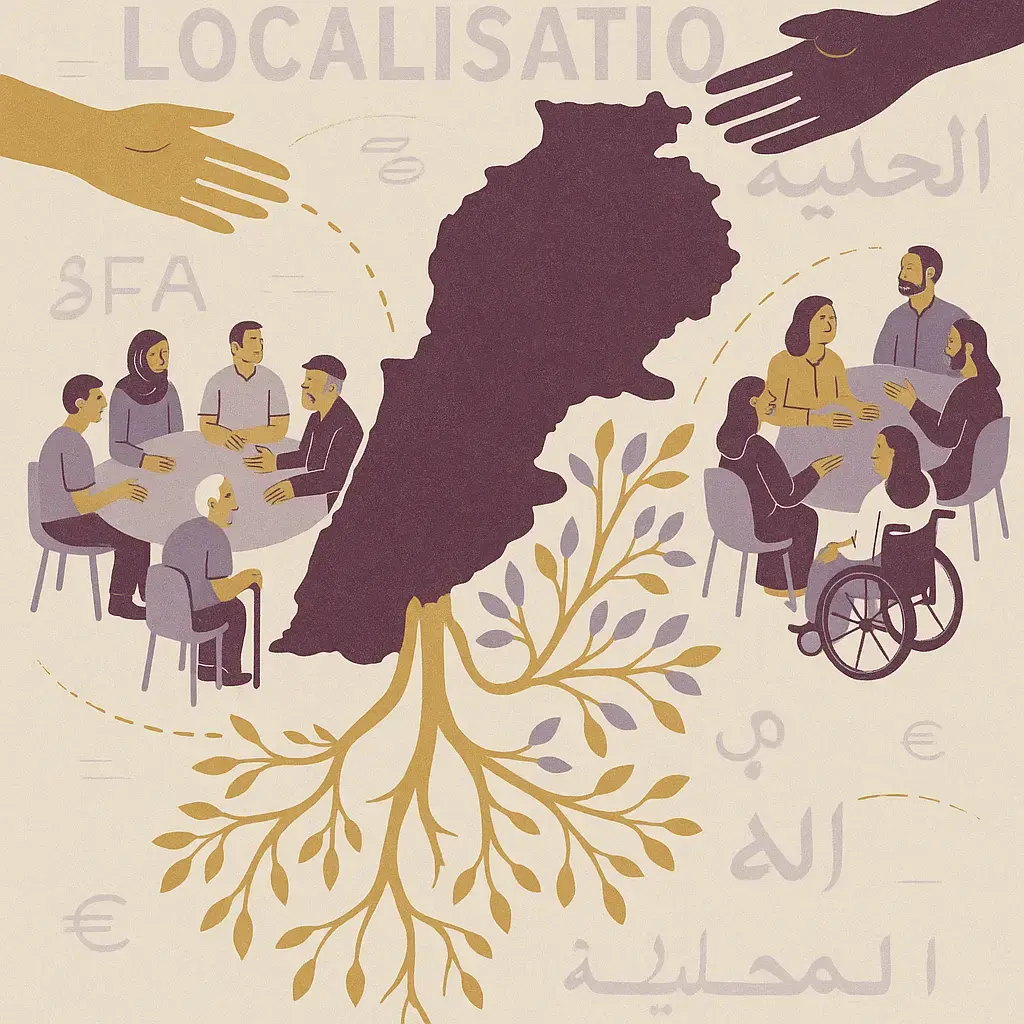
“Localisation” has become a buzzword in development, human rights, and humanitarian fields. It promises to shift resources, power, and leadership to local actors, making aid more just and sustainable. But behind the rhetoric lies a harder question: is localisation actually happening, and on whose terms?
CTDC’s recent research, carried out with Sama for Development, Rass Baalback Club, CRTDA, FeMPawer Programme & I’mpossible, examined how localisation is understood and practised. What we found speaks not only to Lebanon, but to localisation efforts globally: commitments exist on paper, yet the structures of funding, language, and power often remain unchanged.
📚 What we mean by “localisation”
Localisation is more than subcontracting tasks. It is about transforming relationships. Participants in our research described it as:
• Empowerment and shared leadership
• Direct, flexible funding to grassroots actors
• Adaptability and responsiveness to context
• Valuing local knowledge and lived experience
• Building long-term, trust-based partnerships
In short: localisation means shifting power, not just shifting responsibilities.
⚠️ Barriers that keep localisation rhetorical
Across contexts, similar challenges emerge:
- Funding flows: The majority of aid is still channelled through international intermediaries. Smaller NGOs are excluded by complex compliance requirements and tight overhead limits.
- Language hierarchies: English and French often dominate funding processes; sidelining organisations rooted in local languages and reinforcing elitism.
- Unequal partnerships: Local actors are treated as subcontractors, not decision-makers. Accountability flows upwards to donors, not downwards to communities.
- Global politics: Aid priorities are tied to foreign policy agendas, shifting with elections, wars, and geopolitical interests rather than local needs.
🧩 Everyday realities of “localisation”
Even when localisation is claimed, local actors describe the invisible labour they shoulder:
- Negotiating with donors who impose one-size-fits-all models.
- Bearing the emotional and relational work of community trust-building.
- Losing staff to international organisations offering better pay and contracts.
As one participant told us: “Donors live on Mars; they don’t understand our context. They implement their own agendas, disconnected from reality.”
🛠 Principles for meaningful localisation
To move from rhetoric to practice, localisation must be redefined through decolonial and feminist principles:
- Direct, multi-year, flexible funding: that covers core and operational costs.
- Reciprocal accountability so that international actors are also answerable to local communities.
- Language justice: through translation, and valuing knowledge produced in local languages.
- Contextualisation: rejecting one-size-fits-all models, grounding interventions in history, politics, and social realities.
- Power shifts that enable grassroots actors to set priorities, not just implement external agendas.
🌱 Bottom line
Localisation today remains largely rhetorical: spoken about more than it is practised. But it does not have to stay this way. Our research shows that local actors are already redefining localisation, making it about justice, equity, and sustainability rather than efficiency alone.
For localisation to be meaningful, it must dismantle the colonial legacies and global power asymmetries that continue to shape aid and development. Only then can localisation move from tokenism to transformation.
Reach to Us
Have questions or want to collaborate? We'd love to hear from you.